Choosing a floor is a big decision. It changes how your home looks, how much you spend, and how much work you do every week. Many homeowners in the UAE now ask one simple question: is SPC flooring really worth it?
For most homes, the answer is yes. But it depends on your budget, your space, and the quality you pick. Let’s break it down.
What Is SPC Flooring?
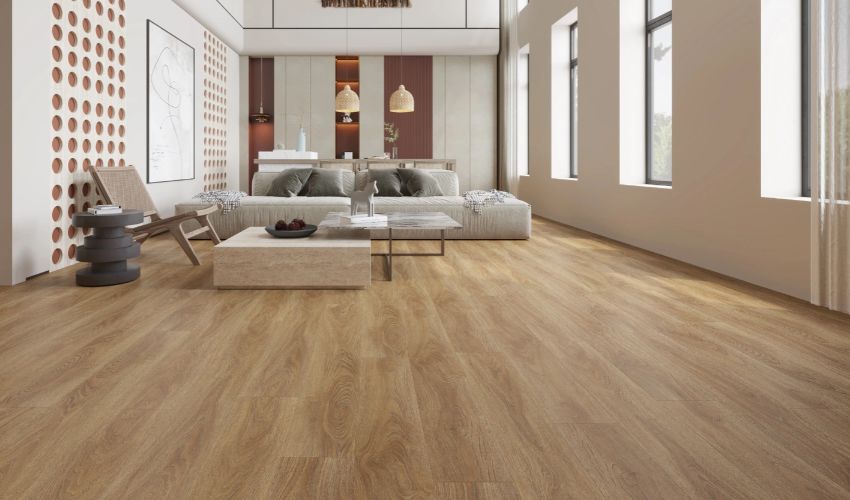
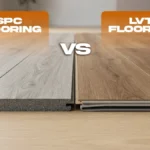
SPC stands for stone plastic composite. It is a type of rigid vinyl flooring. The core is made from limestone powder and PVC, which makes each plank hard, dense, and stable.
On top of the core sits a printed design layer. It can look like oak, walnut, marble, or stone. A clear wear layer sits above that and protects the surface from scratches and stains.
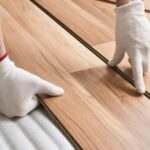
Most SPC planks use a click-lock system. The planks snap together and float over the subfloor. In many homes, no glue is needed.
Why Are Homeowners Choosing SPC Flooring?
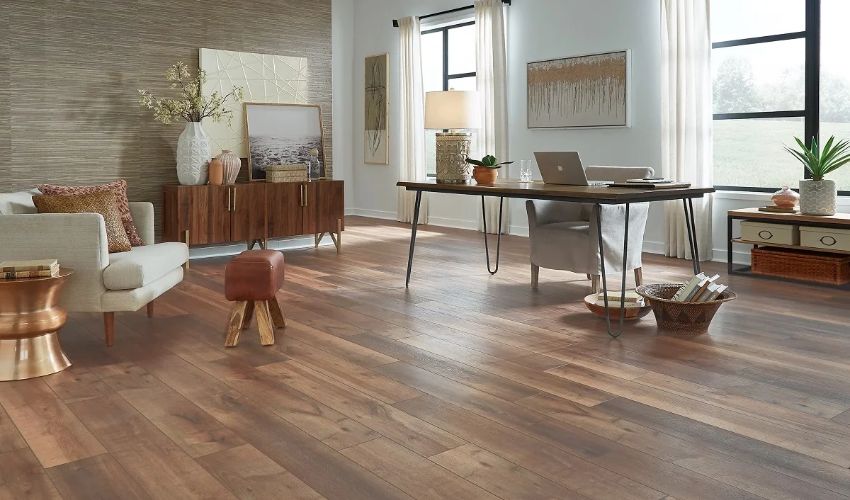
People pick SPC for a few simple reasons:
- It is waterproof flooring, so spills do not soak in.
- It looks like real wood or stone.
- It is quick to install.
- It is low-maintenance flooring that needs very little care.
Busy families, landlords, and villa owners all like this mix. Dubai homes see a lot of foot traffic, guests, and dust. Owners want style without constant upkeep. If you are exploring SPC flooring Dubai options, you will find everything from warm oak tones to cool grey stone looks.
Is SPC Flooring Affordable Compared to Other Flooring Types?
SPC usually sits in the middle of the price range. It is not the cheapest option, but it often gives strong value for the money.
I won’t quote exact prices here, because they change with quality, thickness, design, brand, and installation needs. Always ask for a written quote. Here is how SPC compares with other popular floors.
SPC vs Laminate
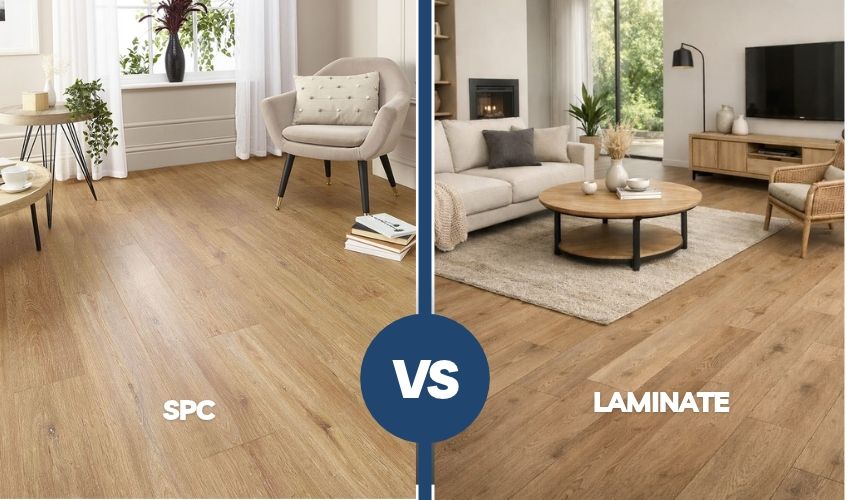
Laminate can be cheaper at the start. But it has a wood-fibre core, and that core does not like water. A leaking pipe or a mopped floor with too much water can make the edges swell. SPC handles moisture far better, so you worry less about repairs.
SPC vs Ceramic Tiles
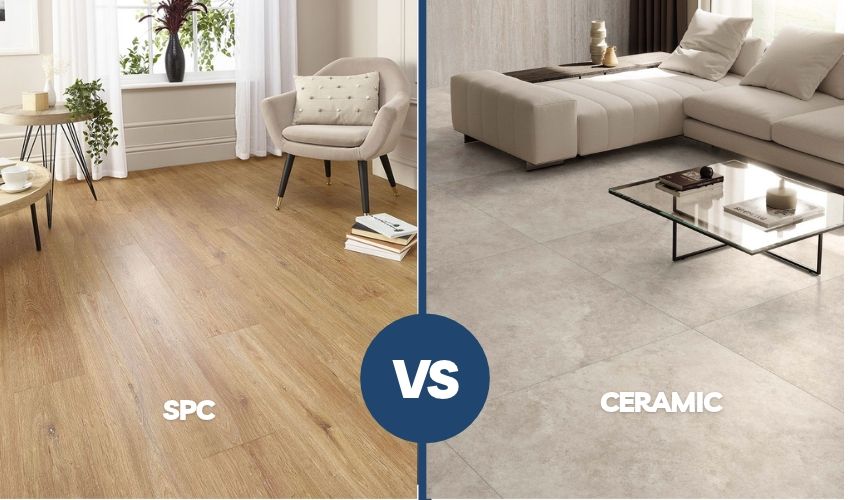
Tiles are tough and last a long time. But the full cost is often higher than people expect. You pay for the tiles, cement, grout, labour, and drying time. Tiles also feel hard and cold underfoot, and a dropped glass will break on them. SPC is a bit softer, quieter, and faster to fit.
SPC vs Traditional Vinyl
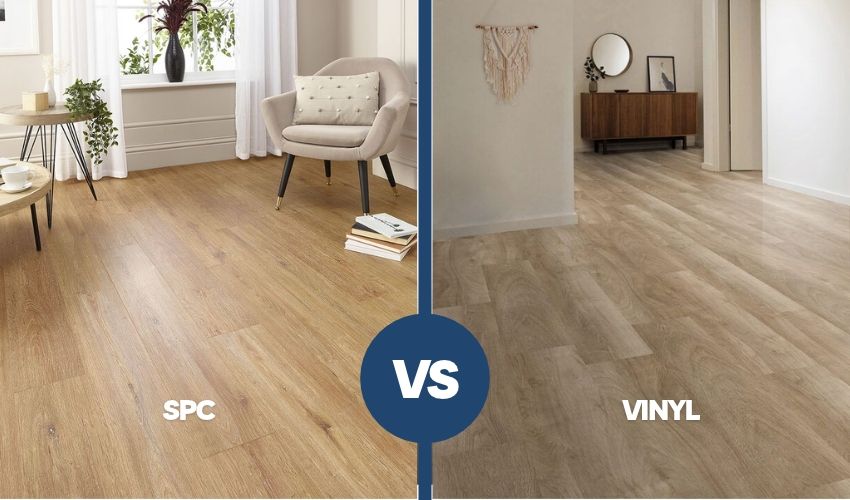
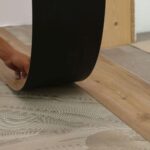
Traditional vinyl is soft and flexible. That makes it cheaper, but it can show bumps and marks from the subfloor underneath. SPC has a rigid core, so it stays flatter and handles dents better. You pay a little more, but you get a stronger floor.
Initial Installation Cost of SPC Flooring
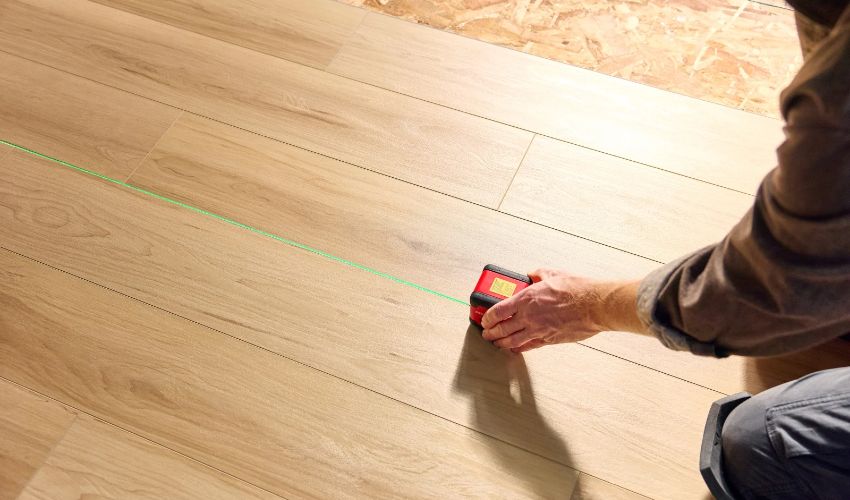
Your first cost is the planks plus the labour to fit them. Several things change that total:
- Plank thickness and wear layer: thicker planks with stronger wear layers usually cost more.
- Design and finish: embossed wood grain and detailed stone prints can raise the price.
- Subfloor condition: an uneven floor needs levelling before installation.
- Old flooring removal: taking out tiles or carpet adds time and cost.
- Room size and layout: many corners, doors, and cuts mean more labour.
Here is where SPC saves money. SPC flooring installation is fast. There is no cement bed, no grout, and no long drying time. A tiled apartment might take days of messy work. A click-lock SPC floor can often be done much quicker, with less dust and noise. Less labour time can mean lower labour cost, and you can move in sooner.
Long-Term Savings and Maintenance Costs
The price tag is only part of the story. A floor you must fix, polish, or replace early will cost far more over the years.
SPC care is simple. Sweep or vacuum, then wipe with a damp mop. That’s it. You do not need to seal it, wax it, or scrub grout lines. This saves both money and weekend hours.
Repairs are also easier. If one plank gets damaged, you can usually replace just that plank. With tiles, fixing one broken piece can mean chipping out grout and hunting for a matching tile.
Think of the cost per year, not only the cost per square metre. A floor that looks good for many years with almost no upkeep often beats a cheaper floor you replace in a few years.
Durability and Resistance to Daily Wear
The rigid stone core resists dents better than soft vinyl or low-grade laminate. The wear layer fights scratches from shoes, pets, and moving chairs. That makes SPC a good fit for kids’ rooms, living areas, and hallways.
Still, no floor is indestructible. Dragging heavy furniture or dropping sharp tools can leave marks. A few easy habits help:
- Stick felt pads under chair and table legs.
- Lift furniture instead of sliding it.
- Use door mats to keep sand and grit out.
Sand is a real issue in Dubai. It acts like fine sandpaper on any floor, so regular sweeping really helps.
Is SPC Flooring Suitable for Dubai’s Climate?
Mostly, yes. Dubai is hot and humid, and air conditioning runs for much of the year. That means indoor temperatures and moisture levels can change often. Real wood can warp in these conditions. SPC does much better because its stone core stays stable and does not absorb water.
There is one thing to watch. Strong sunlight through large glass doors or windows can heat the floor. Over time, that may cause fading or slight movement. Simple fixes work well: use curtains or blinds, and ask your installer to leave a proper expansion gap along the walls.
Where Can You Install SPC Flooring at Home?
SPC works in most indoor spaces:
- Living rooms and dining areas
- Bedrooms and kids’ rooms
- Hallways and entrances
- Kitchens
- Home offices
- Rental apartments and furnished holiday homes
It is waterproof, so it can also go in bathrooms and laundry rooms. In those spaces, make sure edges are sealed well and avoid leaving standing water for long. I would not use standard SPC on open balconies or outdoor areas unless the manufacturer says the product is made for that.
Pros and Cons of SPC Flooring
Pros
- Waterproof and moisture-resistant
- Durable flooring that handles busy homes
- Quick, clean installation
- Easy to clean
- Many realistic designs
- Stable in heat and humidity
Cons
- It costs more than basic laminate or soft vinyl
- It needs a fairly flat subfloor
- It can feel harder than thick vinyl or carpet
- Cheap, thin products may wear faster
- Heavy sun exposure needs some planning
Is SPC Flooring Worth the Investment?
For most homeowners, yes. SPC gives you a strong balance of price, looks, and low upkeep. You may spend a bit more than you would on laminate, but you often save on repairs, cleaning, and early replacement.
It is especially worth it if you have kids or pets, live in a humid area, rent out your property, or simply want a floor that doesn’t demand attention.
It may not be the best choice if you want the feel of real hardwood or natural stone and have a large budget. It also isn’t the cheapest option if you only need a short-term fix for a few months.
How to Choose the Right SPC Flooring for Your Home
A good choice now saves trouble later. Keep these points in mind.
Check the Thickness and Wear Layer
Thicker planks and stronger wear layers usually handle busy homes better. For living rooms and hallways, choose a stronger wear layer. For a guest room, a lighter option may be enough.
Look at the Underlay
Many SPC planks come with a built-in underlay. It adds comfort and reduces noise. This matters a lot in apartments, where sound travels to the neighbours below.
Match the Design to the Room
Light oak tones make small rooms feel bigger. Darker finishes feel rich but show dust more. Matte textures hide marks better than shiny ones. Always check a sample in your own home, in your own light.
Choose a Reliable Supplier
The supplier matters as much as the product. A trusted SPC flooring supplier in Dubai should offer clear product details, real samples, honest advice, and proper installation support. Ask about warranty terms, delivery time, and what is included in the quote. Be careful with prices that look far too low. They often mean thin planks or weak wear layers.
Plan the Installation
Ask your installer to check the subfloor first. A clean, level surface helps the planks lock properly and last longer. Get the full cost in writing, including removal of old flooring, levelling, skirting, and finishing.
Final Thoughts: Is SPC Flooring Cost-Effective?
Yes, SPC flooring is a cost-effective choice for most homes, especially in Dubai. It may not be the cheapest floor on day one, but it offers waterproof protection, strong durability, fast installation, and very low maintenance. Over the years, those benefits can save you real money and effort.
Compare quotes carefully, pick a quality product, and work with a supplier you trust. Do that, and your SPC floor should look good and perform well for a long time.