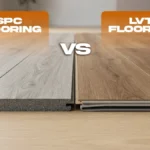
Yes, in many cases you can. Vinyl flooring can often be installed over existing tile without tearing the old floor out first. But it only works well when the tile underneath is in good shape.
What matters most is whether the tiles are firm, clean, dry, and reasonably level. A weak or uneven base will show through the new floor sooner or later. This guide by pvcvinylflooring.ae explains when the method works, which products suit it, how to prepare the surface, and when removing the tile is the smarter move.
Can You Install Vinyl Flooring Over Existing Tiles?
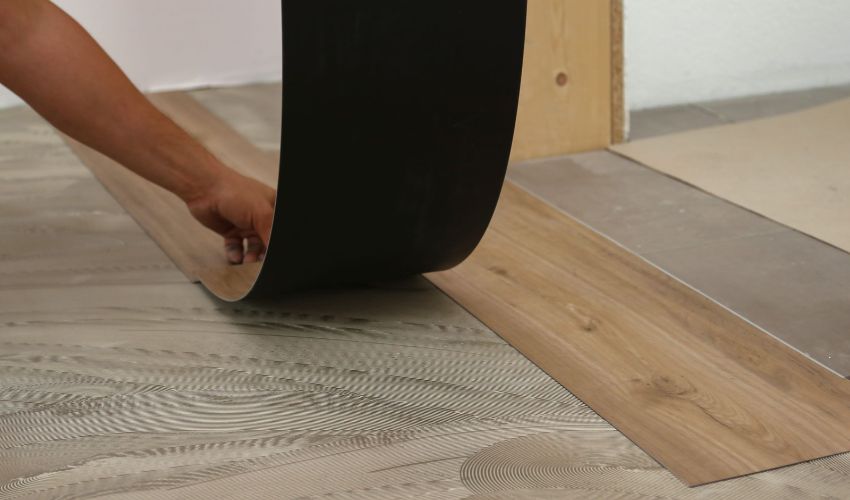
Often, yes. Ceramic and porcelain tiles are the most common surfaces for this job because they are hard, flat, and stable when they are installed properly. The tile type matters less than its condition.
The existing floor should be firm, dry, clean, and reasonably level. Tiles that sound hollow, shift underfoot, or are cracked can cause trouble later. Natural stone or heavily textured tile may need extra checks, since they are rarely flat enough without added work.
If you are comparing options for a home or apartment, look at what suits your rooms and climate. A guide to Vinyl Flooring, for example, can show how different products handle heat, foot traffic, and daily wear. Whatever you choose, follow the manufacturer’s instructions. They decide what is allowed over tile.
Which Types of Vinyl Flooring Work Best Over Tile?
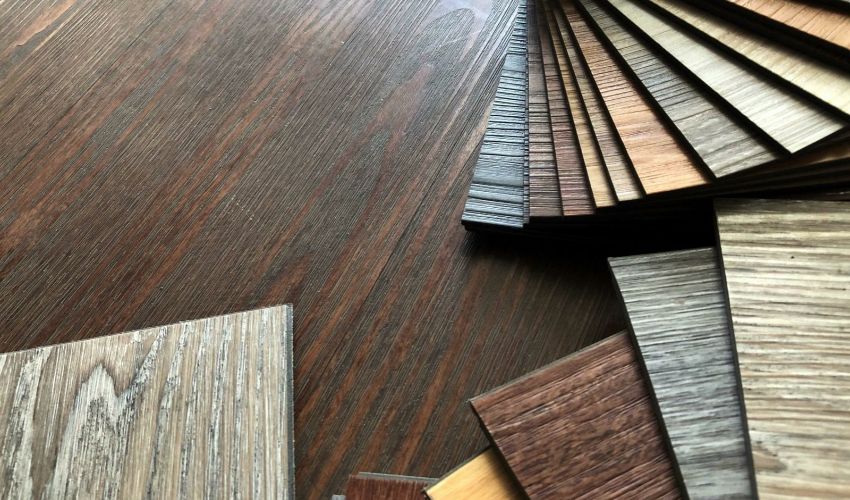 Not every vinyl product suits every tiled surface. Here are the main options:
- Luxury vinyl plank (LVP): Long, wood-look planks. Many are thick and rigid, which helps hide small surface flaws.
- Luxury vinyl tile (LVT): Stone-look or tile-look squares with similar construction to LVP.
- Click-lock vinyl flooring: Planks lock together and float over the tile without glue. This is often the simplest route, but grout lines and level still need checking.
- Glue-down vinyl flooring: Bonds to the surface with adhesive. The base must be clean, smooth, and compatible with the glue.
- Self-adhesive vinyl tiles: Thin and easy to handle, but they can show every grout line. They need a very smooth surface.
As a general rule, thicker and more rigid products are more forgiving than thin ones. Always check the product’s instructions to confirm it can go over tile.
Pros of Installing Vinyl Flooring Over Tile
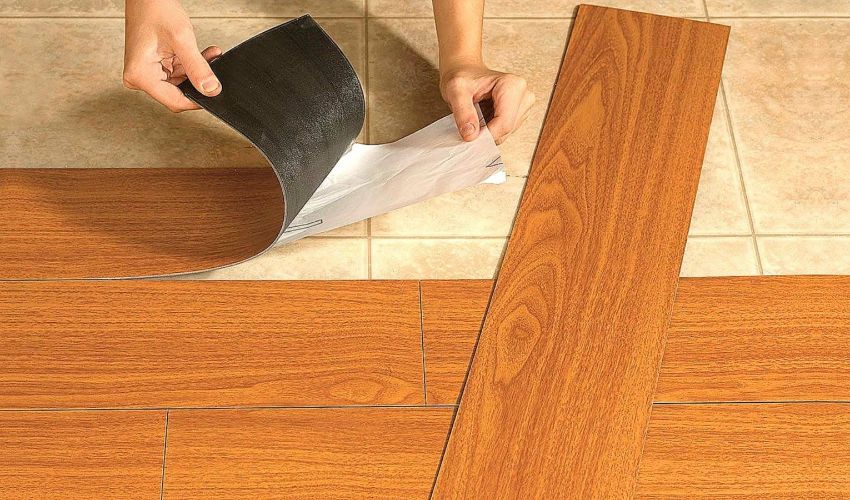 Less demolition work. You skip chiselling up tiles, which is noisy and messy.
- Potential savings. You may avoid removal and disposal costs, though the total depends on the floor’s condition and the product you pick.
- Faster installation. In suitable conditions, the job can move quicker without a demolition stage.
- A fresh look. Old, dated tile can be replaced with a modern wood or stone finish.
- Comfort. Vinyl feels warmer and softer underfoot than bare tile, especially with a cushioned backing.
- Easy upkeep. Daily cleaning is usually a quick sweep and damp mop.
Cons of Installing Vinyl Flooring Over Tile
Vinyl over tile is not right for every room. These are the main drawbacks.
Visible grout lines. Deep joints can show through thinner vinyl over time. They often need filling or levelling first.
Extra floor height. The new floor sits on top of the old one. That can affect doors, appliances, and transitions to other rooms.
Loose or cracked tiles. Vinyl will not fix a weak base. Movement underneath can cause gaps, dents, or bumps above.
Moisture problems. Trapped dampness can damage adhesive and flooring. Any leak or damp source must be solved first.
Product limits. Some products do not allow underlayment, or only allow certain types. Some installation methods will not suit a tiled base.
Skipped preparation. Most failures trace back to rushed prep, not the vinyl itself.
If you are unsure how level your tiles are, a specialist in Vinyl Flooring Dubai can assess the surface and suggest a suitable product. A proper check before ordering is usually cheaper than fixing mistakes afterward.
How to Prepare Tile Floors Before Installing Vinyl
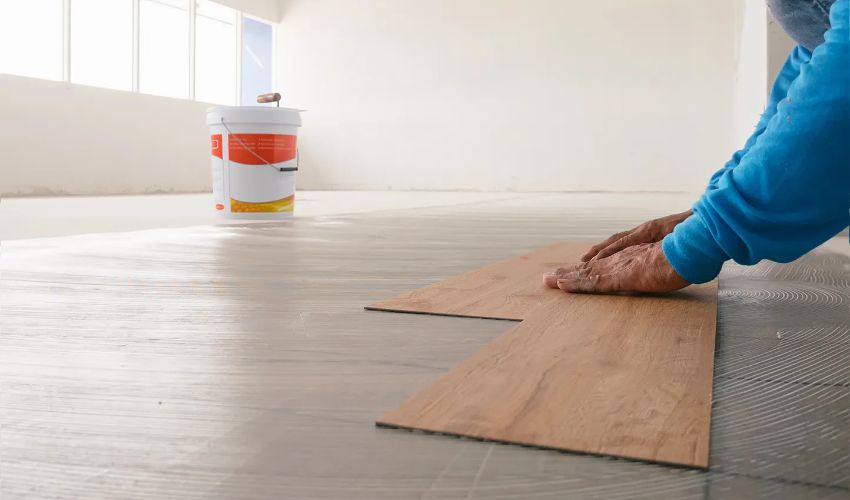 Preparation depends on your vinyl product and the state of the old floor, but these steps cover the basics:
- Inspect the tiles. Walk the room and tap the surface. Hollow sounds, cracks, and movement are warning signs.
- Fix loose or damaged tiles. Re-bond or replace them. Fill any gaps left behind.
- Clean thoroughly. Remove dirt, grease, wax, and soap residue, which can stop adhesive from bonding.
- Check grout lines and flatness. Run a straightedge across the floor to find dips and high spots.
- Level if needed. Use a compatible floor levelling compound to fill grout joints and smooth uneven areas. Let it cure fully.
- Check moisture and height. Look for damp patches or past leaks. Measure how much height the new floor will add.
- Confirm compatibility. Check that your vinyl, adhesive, and any underlayment are approved for use together.
Common Mistakes to Avoid
- Installing over loose or damaged tiles
- Ignoring deep grout lines
- Skipping surface preparation
- Using an incompatible underlayment
- Forgetting about doors, cabinets, and floor transitions
- Installing over unresolved moisture problems
Most of these come down to rushing. Taking a day to prepare properly is far easier than lifting a failed floor later.
Is It Better to Remove Tiles or Install Vinyl Over Them?
Covering the tile means less labour and no demolition, but you must prepare the surface and accept some added height. Removing it takes more work and disposal, but it gives you a fresh, flat base and lets you inspect the subfloor.
Covering makes sense when the tiles are sound, level, and dry, and the extra height is not a problem. Removal is better when many tiles are loose or cracked, moisture is a concern, or the added height would cause clearance issues.
Costs vary with the room, the product, and the floor’s condition, so compare quotes for both routes.
Tips for Getting Long-Lasting Results
- Choose a product made for this type of installation, and read its instructions first.
- Let the planks acclimatise in the room if the manufacturer asks for it.
- Leave expansion gaps where required, and cover them with skirting boards or trim.
- Consider professional installation if the floor is uneven or the layout is complex.
- Keep the floor clean with a soft broom and a manufacturer-approved cleaner.
Final Thoughts
Installing vinyl flooring over tile can be a practical, tidy way to update a room. It works best when the existing surface is stable, clean, dry, and level.
Before you buy anything, inspect the tiles, check the grout lines, and measure how much height you can spare. Then choose a vinyl product that suits the floor’s condition and follow its instructions closely.
Frequently Asked Questions
Can you install vinyl plank flooring over ceramic tile?
Usually yes, if the tile is firm, clean, dry, and level and the product allows it.
Do grout lines need to be filled before installing vinyl flooring?
Often, yes. Deep or wide joints can show through, especially with thin vinyl.
Can vinyl flooring be installed over cracked tiles?
It is best to repair or replace cracked tiles first. Movement underneath can damage the new floor.
Will installing vinyl over tile make the floor higher?
Yes. Check clearance for doors, appliances, and transitions before you start.
Is it cheaper to install vinyl over tile or remove the tiles first?
Covering can save on removal and disposal, but prep work such as levelling adds cost. Compare quotes for your room.
How long does vinyl flooring installed over tile last?
That depends on the product, the preparation, the room’s use, and maintenance. Your manufacturer’s warranty is a better guide than a general estimate.