Laminate flooring is one of the most popular home flooring options thanks to its durability, affordability, and beautiful wood-like appearance. However, over time, even the best laminate floors can lose their original luster, appearing dull, hazy, or “ashy” after cleaning.
If you miss that glossy, freshly-cleaned “wet look,” don’t worry — you can bring it back without damaging your floor’s protective layer.
This guide combines expert advice, professional cleaning techniques, and safe DIY recipes to help you restore the shine and keep your laminate floors looking new for years.
Why Laminate Floors Lose Their Shine
Unlike hardwood, laminate flooring doesn’t get its glow from wax or polish. Its sheen comes from a factory-applied protective coating made of resin and melamine. When that layer gets covered by residue, scratched by dirt, or damaged by moisture, the floor starts to look dull.
Common causes include:
- Residue buildup from soap, wax, or improper cleaning products
- Moisture damage from wet mopping or steam cleaning
- Scratches and scuffs caused by grit or furniture legs
- Sunlight exposure, which fades laminate finishes over time
- Harsh chemicals or tools that erode the floor’s surface
Step 1: Gentle Preliminary Cleaning
1. Remove Dust and Debris
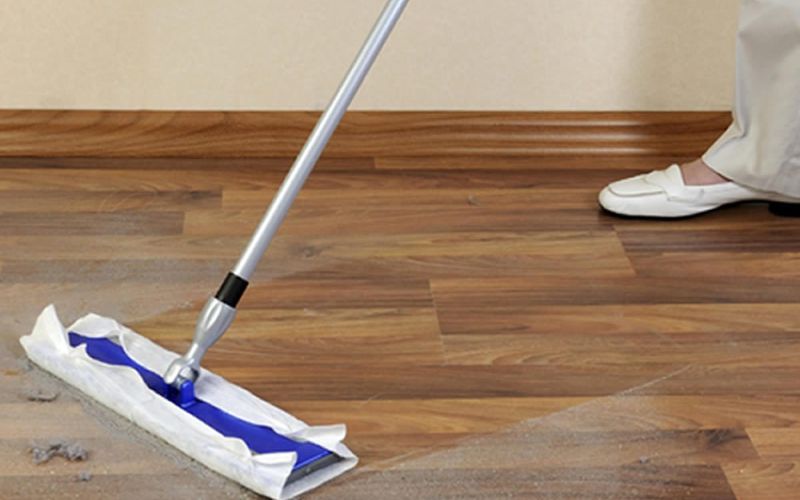
Always start with a dry clean. Use a soft broom, microfiber mop, or vacuum with the brush setting off to remove grit and dust that can scratch the surface.
2. Damp Mop the Floor
Fill two buckets:
- One with lukewarm water and a few drops of a pH-neutral or laminate-safe cleaner
- One with clean water for rinsing
Dip your mop, wring it until barely damp, and clean in the direction of the grain. Avoid soaking — laminate and standing water do not mix.
3. Dry Immediately
Use a clean, dry microfiber cloth or mop to remove any remaining moisture. This prevents streaks and swelling around joints.
Step 2: Remove Dullness and Stubborn Stains
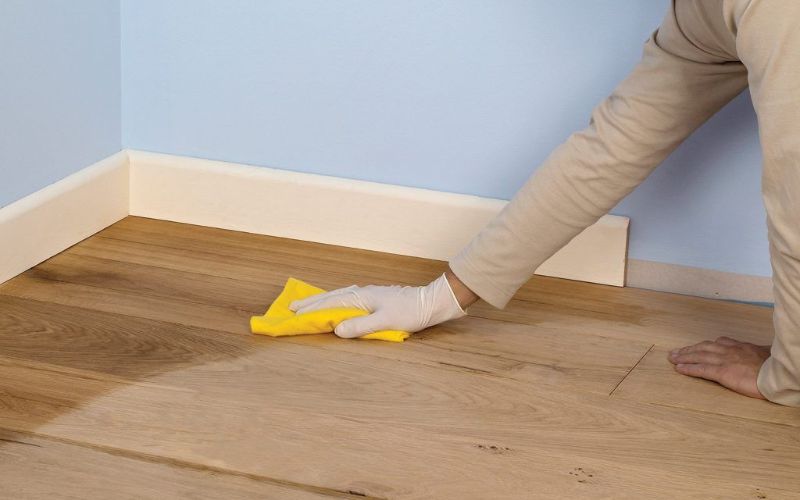
Different stains require different approaches. Here’s how to treat them safely:
| Type of Stain | How to Remove It |
| Oil or Grease | Mix lukewarm water with a small amount of black soap or mild dish detergent. Wipe with a soft cloth. |
| Ink | Use an ink eraser or dab with rubbing alcohol on a cloth — gently rub until gone. |
| Glue or Paint | Scrape gently with a plastic spatula to avoid scratching, then clean the residue with soapy water. |
| Salt or Calcium Marks (winter stains) | Wipe with a mixture of 1 cup white vinegar + 1 gallon warm water to dissolve residue. |
Pro Tip: Always test cleaning products or DIY mixes on a hidden area before applying them to the entire floor.
Step 3: Restore Shine — Commercial and Natural Options

Option 1: Use a Laminate Floor Reviver
Commercial laminate revivers or restorers are specially formulated to enhance shine without leaving a waxy buildup. Apply every 6–12 months depending on traffic.
Option 2: DIY Natural Polish Recipes
Here are four effective homemade options drawn from professional and DIY sources:
1. Vinegar & Water Everyday Shine
- 1 cup white vinegar
- 4 litres warm water
- (Optional) a few drops of essential oil
→ Mop lightly and let air dry. Removes residue and restores natural sheen.
2. Alcohol-Based Streak-Free Polish
- 1 cup rubbing alcohol
- 1 cup vinegar
- 4 litres warm water
→ Quick-drying, great for a streak-free finish.
3. Baking Soda Paste for Spots
- 2 tbsp baking soda + warm water (to form paste)
→ Rub gently on marks, wipe with damp cloth, then dry.
4. Vinegar & Olive Oil Revitaliser (Glossy Finish)
- ½ cup vinegar + ½ cup olive oil + 10 drops lemon essential oil
→ Spray lightly, buff immediately with a dry microfiber cloth for a soft glow.
Note: Avoid leaving oily residue — buff well to prevent slipperiness.
Step 4: Buff for a “Wet Look” Finish
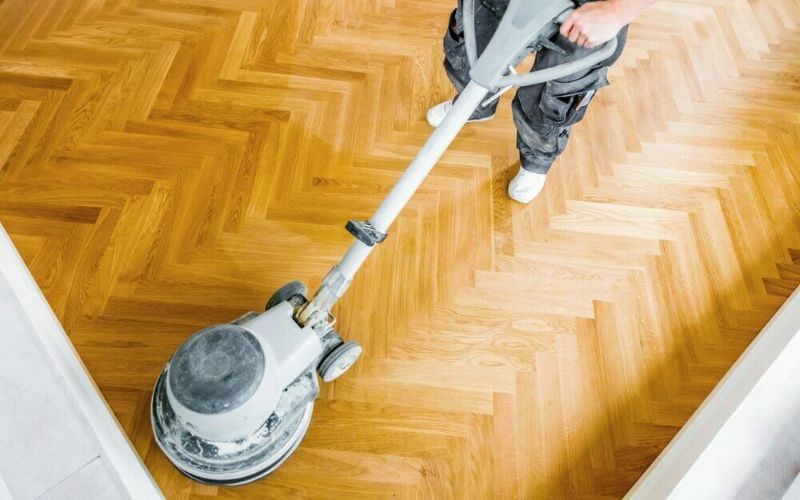
For that beautiful reflective shine seen right after cleaning:
- Clean and dry your floors completely.
- Use a dry microfiber mop or soft polishing pad.
- Buff gently in circular motions to activate the laminate’s light-reflecting coating.
Avoid applying polyurethane, varnish, or industrial sealers (like SW Armor Seal Rexthane) — these are meant for wood or concrete, not laminate. They can cause peeling, bubbling, or permanent cloudiness.
Step 5: Maintain the Shine

Keeping your laminate floors gleaming is easier with consistent care.
- Use doormats at all entrances to trap grit and moisture.
- Attach felt pads under furniture legs to prevent scratches.
- Clean spills immediately to prevent moisture damage.
- Avoid steam mops, waxes, or oil soaps.
- Dry mop 2–3 times per week and damp mop every 1–2 weeks depending on foot traffic.
- Buff monthly for a refreshed glow.
FAQ: Laminate Floor Shine Essentials
Can I use vinegar on laminate floors?
Yes — but dilute it properly (1 cup vinegar to 1 gallon water). Undiluted vinegar can dull the finish.
Will olive oil make the floor slippery?
Only if overapplied. Always buff thoroughly with a dry cloth.
Can I use polish or wax for extra shine?
No. Wax and polish are for hardwood, not laminate — they create a sticky film that attracts dirt.
What’s the best mop to use?
A microfiber mop — it’s gentle, absorbent, and doesn’t scratch.
Final Thoughts
Laminate flooring can stay bright and beautiful for decades with the right care. The key is gentle, moisture-controlled cleaning and avoiding harsh chemicals or waxes. Whether you choose a store-bought reviver or a natural DIY polish, always remember: less is more.
With a little maintenance and the right touch, your laminate floors can regain that glossy “wet look” — and keep it shining for years to come.