Spills happen in every home. Coffee drips, grease splatters, and shoes leave dark marks. Over time, these can leave stains on vinyl flooring and linoleum, especially if they sit for too long.
The good news is that most stains can be lifted with simple, gentle methods. The right approach depends on the type of stain and the type of floor. This guide covers everyday cleaning supplies, step-by-step methods of How to Remove Stains from Vinyl Flooring and Linoleum, stain-specific tips, and common mistakes to avoid. It also explains when it is time to call a professional.
Understanding Vinyl Flooring and Linoleum
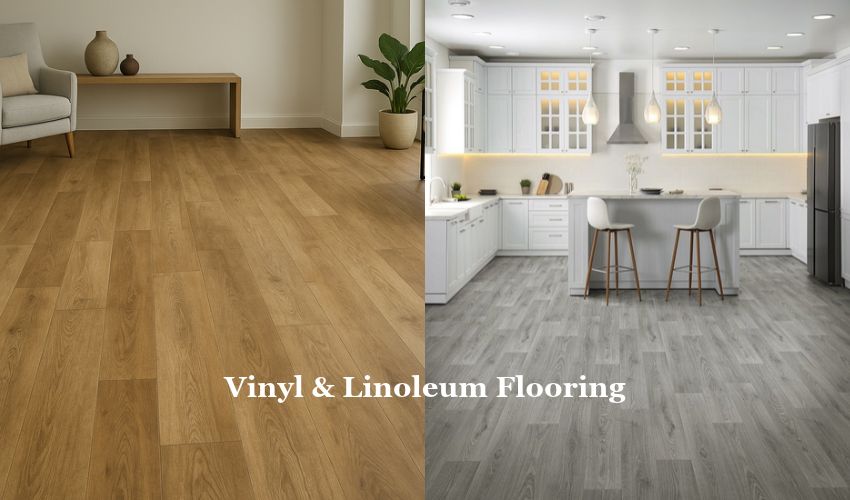
People often use the two names as if they mean the same thing. They do not.
Vinyl flooring is a synthetic material. It comes as sheets, vinyl plank flooring, or luxury vinyl tile (LVT). Most vinyl floors have a protective wear layer on top that helps resist spills and everyday scuffs. If you are comparing options for your home, you can learn more about Vinyl Flooring Dubai and how different types handle daily wear and cleaning.
Natural linoleum flooring is made mainly from natural materials, such as linseed oil, wood flour, and cork dust. It is durable, but it reacts differently to water and harsh chemicals. Some linoleum floors also rely on a sealed finish that needs protecting.
Because of these differences, a method that works well on vinyl may not suit linoleum. Always check the manufacturer’s care instructions first. They tell you which products are safe for your specific floor and which ones could void a warranty.
What You Need to Clean Stained Floors
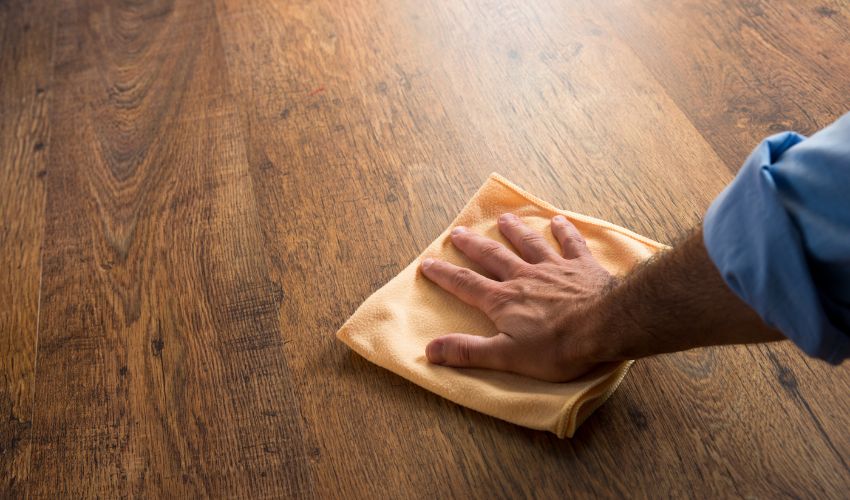
You do not need a large cleaning kit. A few simple items cover most situations:
- Warm water: Hot water can sometimes harm certain floors, so warm water is safer.
- Mild dish soap: A few drops in warm water make a gentle cleaning solution.
- Microfibre cloths: They lift dirt without scratching.
- A soft mop: Useful for larger areas and general cleaning.
- A soft-bristled brush: Good for textured floors and stubborn spots.
- A non-abrasive floor cleaner: Choose one that is compatible with your floor type.
Before using any new product, test it in a hidden spot, such as under a cabinet or behind a door. Wait for it to dry and check for dullness, colour change, or damage. This small step can save you from a costly mistake.
How to Remove Different Types of Stains
Food and Drink Stains
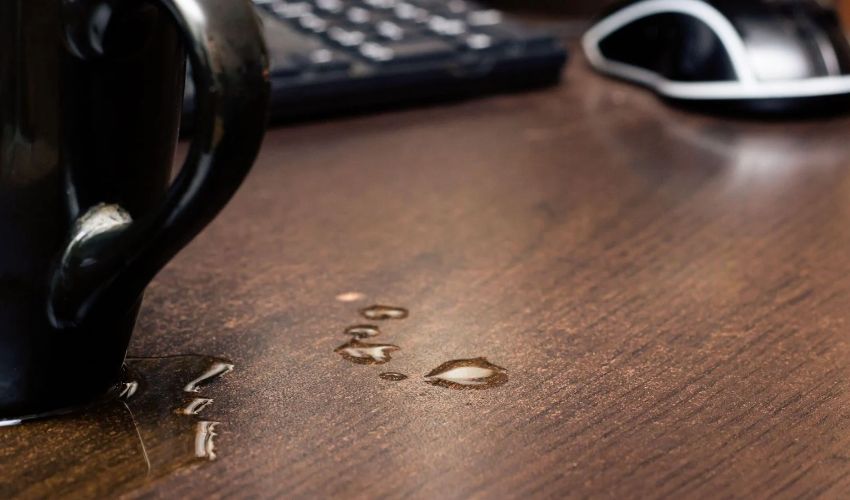
Coffee, tea, juice, and sauces are among the most common food and drink spills. Act quickly if you can.
Blot the spill with a dry microfibre cloth. Do not rub, as that can spread it. Then wipe the area with a cloth dampened in warm water and a little mild dish soap. For dried spots, lay the damp cloth over the stain for a few minutes to soften it before wiping. Rinse with clean water and dry the area.
Grease and Oil Stains
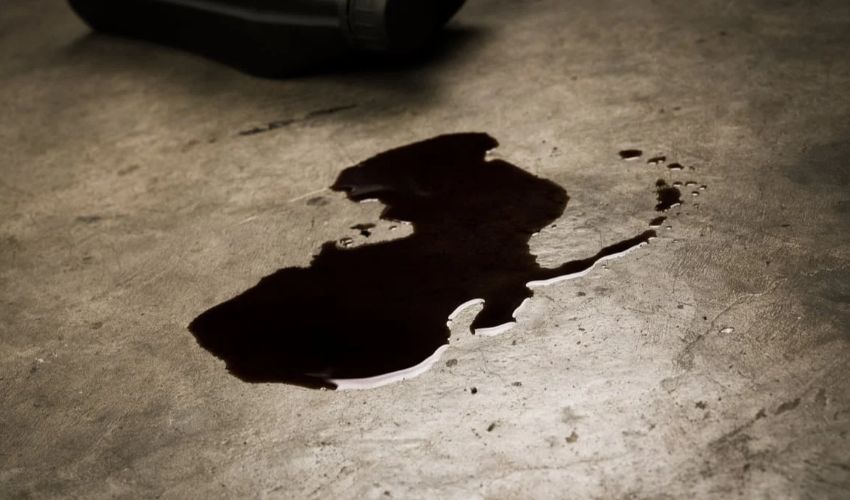
Grease can spread easily, so start by wiping up as much as you can with a paper towel or dry cloth. Work from the outside edge toward the centre.
Next, use warm water with a small amount of mild dish soap. Dish soap is designed to break down oil, which makes it useful here. Wipe gently, then rinse well with a clean damp cloth. Leftover soap can leave a slippery film, so rinse until the surface feels clean and dry it afterward.
Ink and Marker Stains
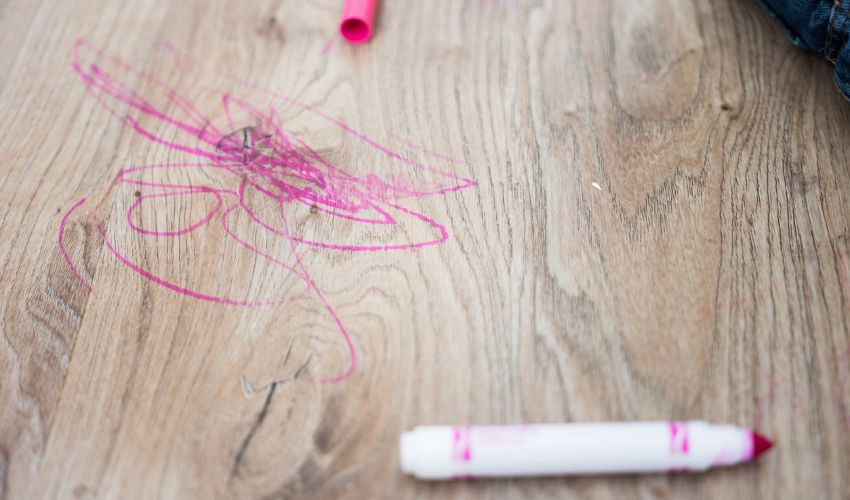
Ink needs careful handling. Start by testing a compatible spot cleaner in a hidden area. Dab a small amount onto a soft cloth and press it on the mark. Do not pour it onto the floor.
Strong solvents can dull or damage some floor finishes, so avoid harsh products unless the manufacturer says they are safe. Work slowly, switching to a clean part of the cloth as ink transfers. Rinse the area afterward. Some permanent marker stains may fade but not disappear completely.
Black Scuff and Rubber Marks
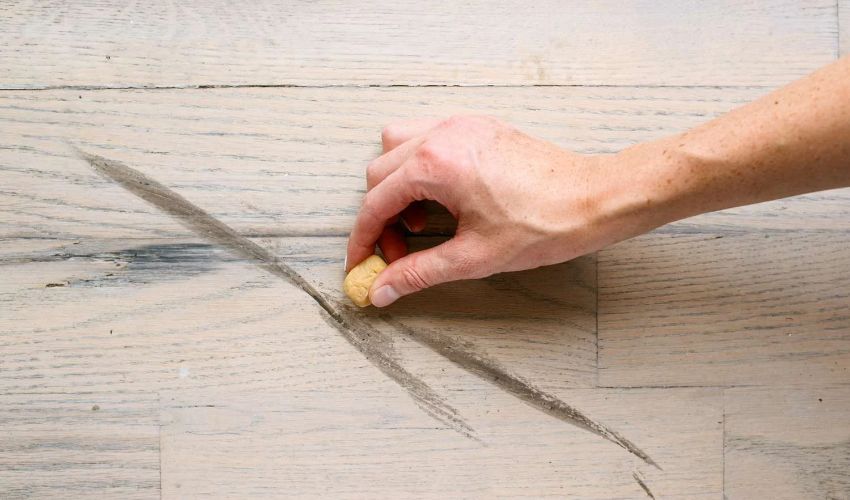
Scuff marks from shoes, chair legs, or tyres sit on top of the floor. They usually come off with light effort.
Try a soft cloth with a little warm soapy water first. If the mark stays, use a non-abrasive cleaner approved for your floor. Rub gently in small circles. Avoid scouring pads or rough sponges, since they can scratch the surface and make the area look dull.
Pet Stains and Odours
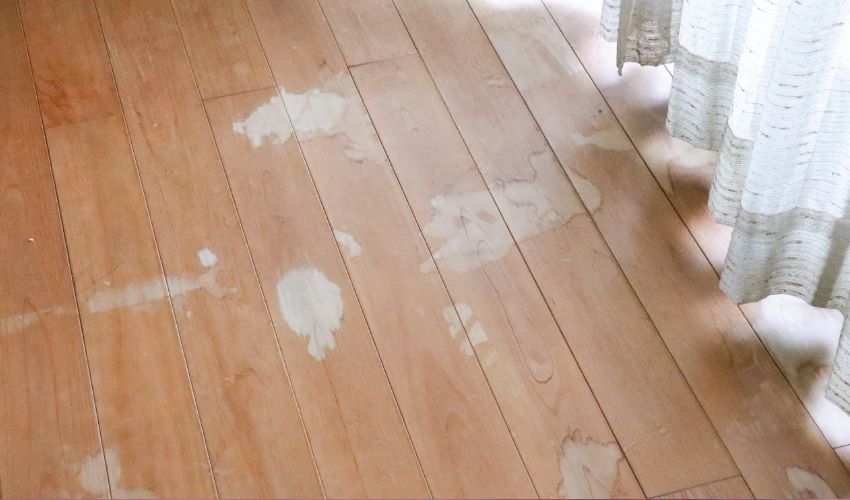
Pet accidents should be cleaned as soon as possible. Moisture left on the floor can seep into seams and cause odours or damage.
Blot up the mess, then clean with mild soapy water. Follow with a flooring-compatible product if odours remain. Check the label to make sure it is safe for your floor type. Dry the area fully, including along edges and seams.
Sticky Residue
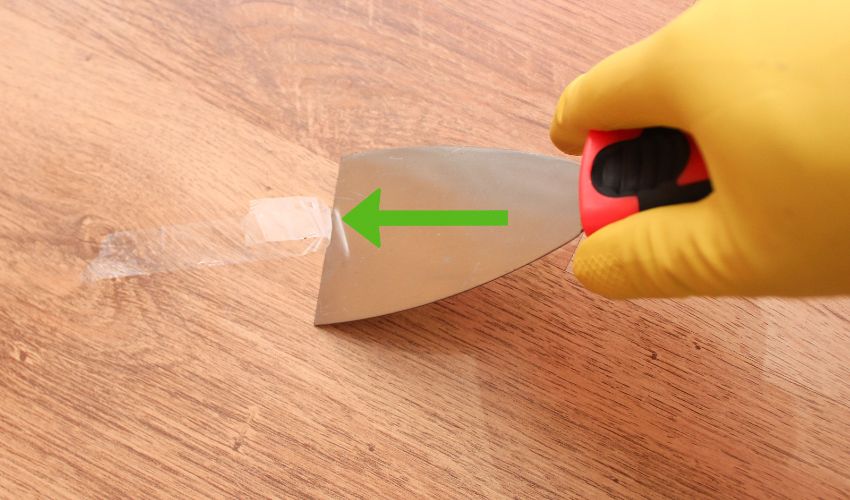 Gum, tape, and stickers can leave behind a tacky film. Do not scrape it with a knife or metal tool, as this can gouge the surface.
Instead, gently lift any thick residue with a soft plastic scraper or an old card. Then clean the area with warm soapy water. If a sticky film remains, use a manufacturer-approved product on a soft cloth. Wipe, rinse, and dry.
Yellow or Dark Stains
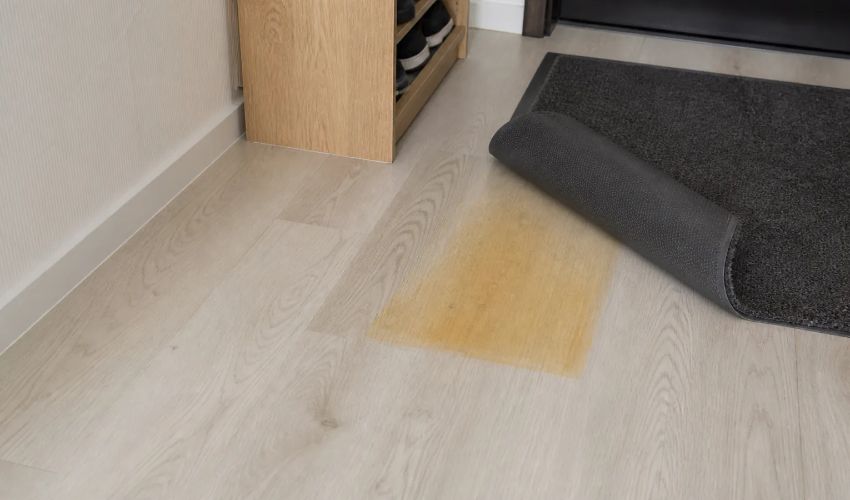
Yellowing can happen for several reasons. These include age, long exposure to sunlight, chemical reactions with rubber mats, or moisture trapped under the floor.
Start by cleaning the area with a mild cleaner to rule out surface dirt. If the colour does not change, the discolouration may be inside or under the surface. In that case, ordinary cleaning will not fix it. Be realistic here. Some discolouration cannot be removed.
Also read: How To Remove Paint From Vinyl Floors?
Step-by-Step Guide to Cleaning Vinyl Flooring
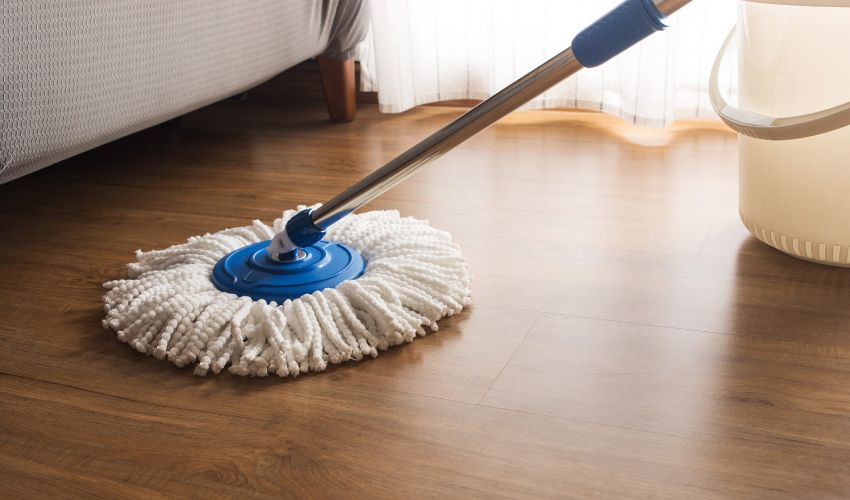
For general stain removal on vinyl, follow this simple process:
- Remove loose dust and debris. Sweep or vacuum so grit does not scratch the floor while you clean.
- Blot fresh spills. Press a dry cloth on the spill instead of rubbing it.
- Test the cleaning product. Try it in a hidden area first.
- Apply a suitable cleaning solution. Use mild dish soap and warm water, or a compatible non-abrasive cleaner.
- Wipe gently. Use a soft cloth or mop with light pressure.
- Remove cleaner residue. Rinse with a clean damp cloth if the product directions say to.
- Let the surface dry. Wipe up extra moisture, and let the floor air dry fully.
Taking your time here protects the floor and gives better results than heavy scrubbing.
How to Remove Stains from Linoleum Safely
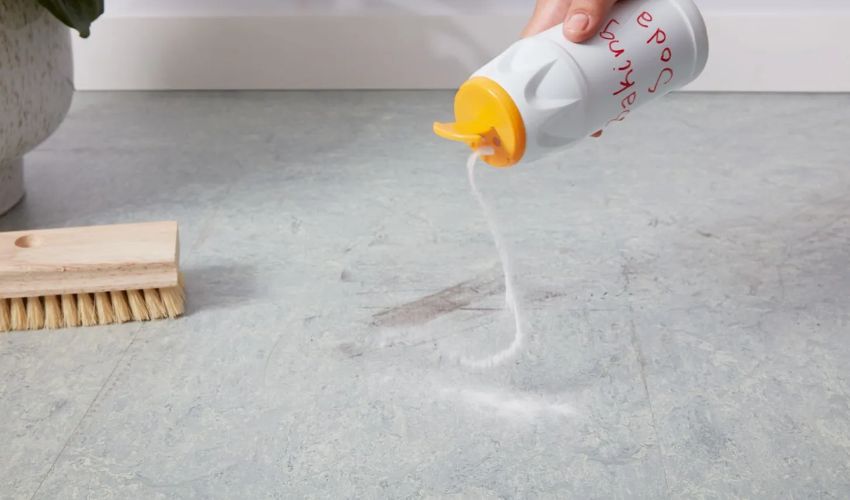
Linoleum needs a gentler touch than many people expect. Its natural ingredients can react badly to too much water or harsh cleaners.
Start with a soft cloth or mop that is only slightly damp. Use a gentle, pH-neutral cleaner that the manufacturer recommends for linoleum. Skip strong chemicals, since they can strip the finish and leave the floor dull or patchy.
Avoid soaking the floor. Water can find its way into seams and edges and cause problems over time. Dry the surface after cleaning.
Also protect the finish. A sealed or finished surface helps resist stains, so do not remove it by scrubbing. If a stain does not respond to gentle cleaning, or the finish looks worn, ask a flooring professional for advice before trying stronger methods.
Common Floor Cleaning Mistakes to Avoid
A few habits cause most floor damage. Try to avoid these:
- Using abrasive scrubbers. Steel wool and rough pads scratch the surface.
- Scrubbing too hard. Aggressive scrubbing can wear down the protective layer.
- Using strong chemicals without checking. Always confirm compatibility first.
- Mixing cleaning products. Never combine cleaning chemicals, as some mixtures can release dangerous fumes.
- Using too much water. Excess water can seep into seams.
- Using steam cleaners without approval. Heat and moisture can damage some floors. Check with the manufacturer first.
- Applying wax or polish without checking. Many modern floors do not need it, and some should never have it.
- Ignoring spills. The longer a spill sits, the harder it becomes to remove.
Tips to Prevent Future Stains
Prevention is easier than stain removal. A few small habits go a long way:
- Wipe up spills as soon as they happen.
- Sweep or vacuum regularly to remove grit.
- Place entrance mats at doors to catch dirt. Choose mats that are safe for your floor, as some rubber-backed types can cause discolouration.
- Add protective pads under furniture legs.
- Lift heavy furniture instead of dragging it.
- Use only compatible cleaning products.
- Stick to a regular cleaning routine.
If you want a clear plan for flooring maintenance, a simple weekly clean and a deeper clean once a month works well in most homes. When choosing new floors, speaking to specialists in <a href=”#”>Vinyl Flooring Dubai</a> can help you pick a style that suits your lifestyle and is easy to keep clean.
When to Contact a Flooring Professional
Some problems are beyond home cleaning. Consider calling a professional if you notice:
- Deep discolouration that does not improve with cleaning
- A damaged or worn finish
- Flooring that is lifting, curling, or coming apart at the seams
- Ongoing moisture problems under the floor
- Stains that do not respond to suitable cleaning methods
A professional can find the cause and suggest the right fix, which may save you from replacing the floor.
Conclusion
Removing stains from vinyl flooring and linoleum comes down to a few simple steps. Identify the stain, choose a suitable cleaner, and use gentle methods. Test products in a hidden area first, avoid harsh chemicals and abrasive tools, and do not expect every stain to disappear completely.
With regular care and prompt attention to spills, your floors can stay clean and look good for years. Always follow the manufacturer’s care instructions to protect both the appearance and the condition of your flooring.
Frequently Asked Questions
What is the easiest way to remove stains from vinyl flooring?
Start with warm water and a few drops of mild dish soap. Wipe the stain gently with a microfibre cloth, rinse, and dry. This works for most everyday stains.
Can vinegar be used on vinyl flooring?
Some manufacturers allow diluted vinegar, while others advise against it. Because acidic products may dull certain finishes over time, check your care instructions and test a hidden spot first.
How do you remove stubborn stains from linoleum?
Use a gentle, linoleum-safe cleaner on a slightly damp cloth. Avoid heavy scrubbing and strong chemicals. If the stain stays, ask a flooring professional for advice.
Can baking soda damage vinyl flooring?
Baking soda is mildly abrasive. Used as a dry scrub, it may scratch or dull some finishes. Always test it first and avoid it on glossy surfaces unless the manufacturer says it is safe.
How do you remove black marks from vinyl floors?
Rub the mark gently with a soft cloth and warm soapy water. If it remains, use a non-abrasive cleaner approved for your floor. Avoid scouring pads.
Why is my vinyl flooring turning yellow?
Yellowing can come from ageing, sunlight, certain rubber mats, chemical reactions, or trapped moisture. Cleaning may remove surface dirt, but deeper discolouration often cannot be reversed.
How often should vinyl flooring and linoleum be cleaned?
Sweep or vacuum regularly, ideally several times a week in busy areas. Damp mop about once a week, and clean spills right away. Product compatibility depends on your specific floor and its protective finish, so follow the manufacturer’s guidance.