Introduction
Choosing a floor in Dubai is rarely just about looks. Apartments in Jumeirah Lake Towers, villas in Arabian Ranches and offices in Business Bay all ask different things of the surface underfoot. Dust, constant air conditioning, strong sunlight and busy daily routines all play a part.
LVT and SPC are two popular types of vinyl flooring. They look alike on a showroom shelf, but their construction, comfort and performance differ. The better choice depends on your space, budget and how you use the room. This guide by PVC Vinyl Flooring explains the differences so you can decide with confidence.
What Is LVT Flooring?
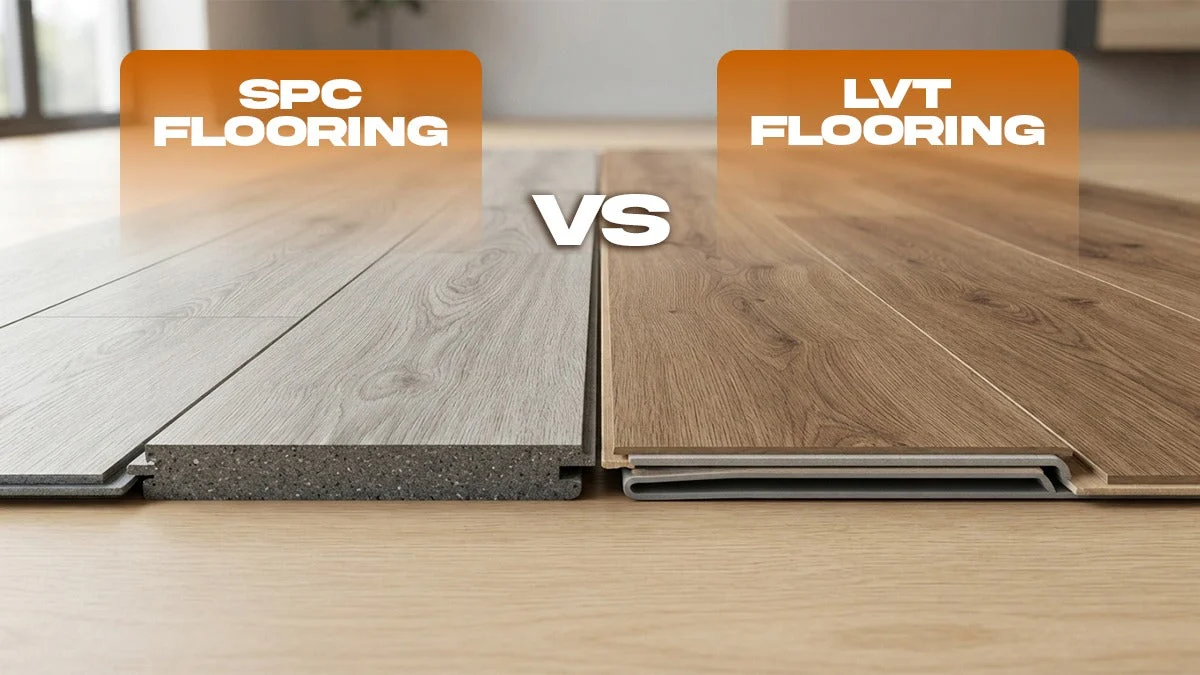
LVT stands for Luxury Vinyl Tile. It is built in layers: a backing, a flexible vinyl core, a printed design film and a clear wear layer on top. The printed film is what creates the realistic finish.
Most ranges offer wood-look vinyl flooring and stone-look tiles. Because the core is relatively flexible, LVT feels slightly softer and can follow small surface contours. It suits homes and selected commercial spaces, such as offices and boutiques. Anyone who wants to explore LVT Flooring Dubai suppliers should ask about the wear-layer rating and recommended installation method, since both affect how the floor performs.
Wear-layer thickness, adhesive choice and installer skill matter as much as the look of the sample.
What Is SPC Flooring?
SPC means Stone Plastic Composite. The core combines limestone powder with PVC, which makes it dense and rigid. A decorative layer and a wear layer sit on top, much like LVT.
Because of that rigid core, SPC tends to be dimensionally stable when it is correctly specified and installed. It also resists everyday surface moisture, so a spilled drink or a damp mop will not normally harm it. That does not make it waterproof in every installation. Water can still reach the subfloor through edges and seams.
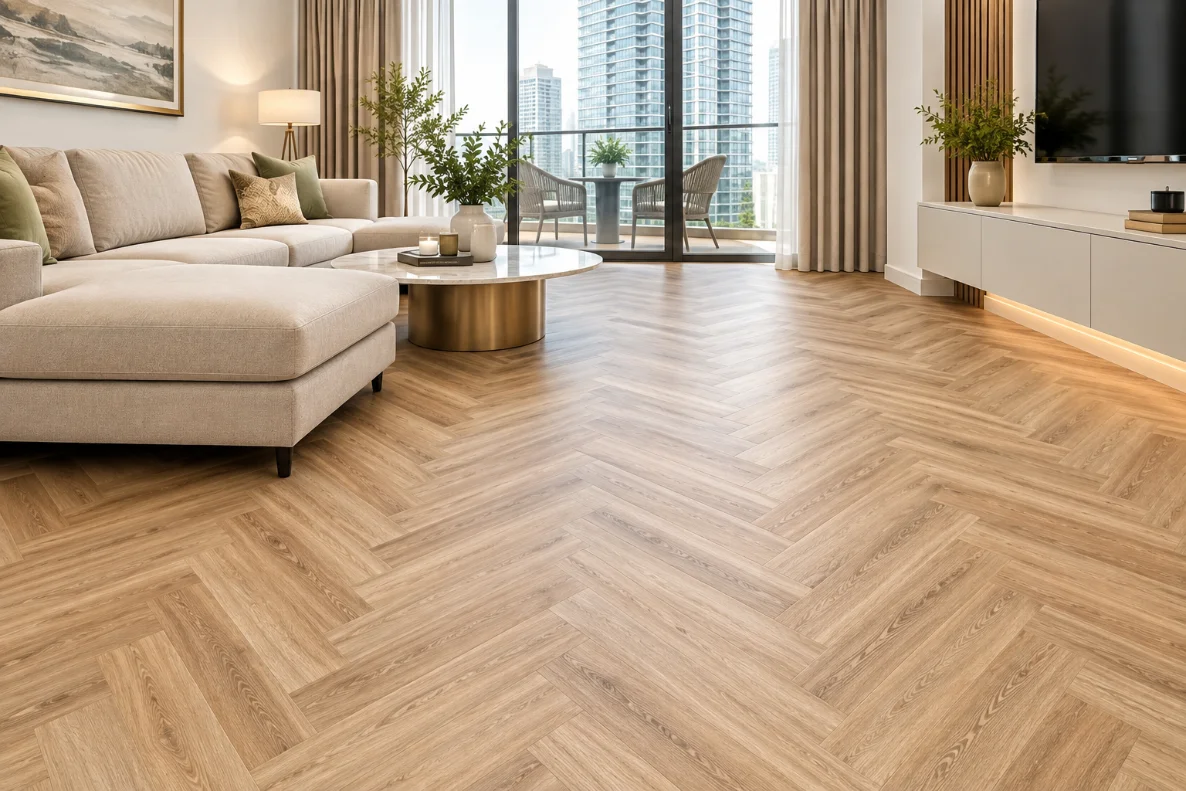
SPC comes in convincing wood and stone designs. It works for busy family homes and some commercial interiors, though it can still be scratched or dented.
LVT vs SPC Flooring: Key Differences
The table below gives a general comparison. Performance changes by product, manufacturer, wear layer, thickness and installation quality, so treat it as a starting point.
| Feature | LVT | SPC |
| Core | Flexible vinyl | Rigid limestone-PVC composite |
| Underfoot feel | Softer, more flexible | Firmer, more solid |
| Durability | Depends on wear layer | Depends on wear layer and core |
| Subfloor needs | Often needs a very smooth base | More forgiving of minor flaws |
| Installation | Glue-down or click formats | Usually click-lock floating |
| Designs | Wide range | Wide range |
| Maintenance | Sweep and damp mop | Sweep and damp mop |
| Cost | Varies by specification | Varies by specification |
| Spaces | Homes, offices, retail | Homes, offices, retail |
Two rows deserve a closer look. Installation method changes the work needed on the subfloor, and the wear layer shapes how the surface ages. Ask suppliers for both details in writing.
Which Flooring Is More Durable?
Neither material is automatically tougher. The wear layer protects the printed design, so its thickness and quality matter most. A well-made LVT with a strong wear layer can outlast a cheap SPC plank.
A rigid core resists denting and handles heavy furniture well, but it does not make every SPC product more scratch-resistant than every LVT product. Dragging a sofa, grit under shoes and high foot traffic wear both materials. Felt pads, entrance mats and regular sweeping help either one last longer.
Use matters too. In a rental apartment, wear comes from moving furniture and tenant turnover. In a villa, it comes from children, pets and well-worn walking routes.
Which Flooring Is Better for Dubai’s Climate?
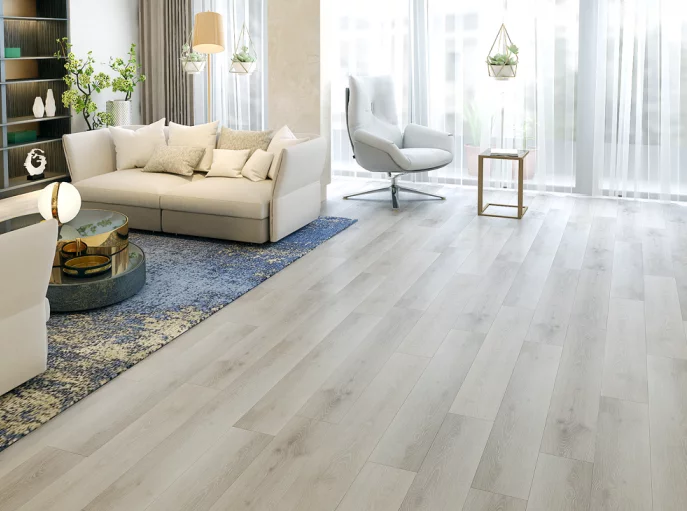
Most Dubai homes and offices are air conditioned, so indoor temperatures stay fairly steady. That suits both materials. Problems usually come from direct sunlight through large windows, which can heat the floor surface and cause expansion.
Check temperature limits, expansion gap requirements and installation instructions for every product. Neither type is ideal for every property. Readers comparing rigid-core options such as SPC Flooring in Dubai should ask suppliers how each range performs near glass doors, balconies and sunlit living rooms.
Comfort and Appearance: LVT vs SPC
LVT may feel softer, especially with a suitable underlay. SPC feels firmer and more solid, which some people prefer. Neither will feel as warm as carpet. In a bedroom, a softer feel may matter more. In a hallway or open living area, firmness and stability may count for more.
Visually, both offer oak and walnut planks, marble-inspired tiles and concrete finishes. Neutral greys, creams and light timber tones suit modern apartments. Darker boards can add warmth to a spacious villa. Always view large samples in your own lighting before deciding.
 Which Flooring Is More Affordable in Dubai?
Neither option is always cheaper. Several factors shape the final cost:
- Material quality and thickness
- Wear-layer specification
- Installation method
- Subfloor preparation
- Underlay and accessories
- Labour and finishing
Glue-down LVT may need more careful preparation, which adds labour. Click-lock SPC may install faster in some rooms. These are general patterns, not rules. Ask for complete supply-and-installation quotations and compare what each one includes before judging LVT vs SPC cost. Look for removal of old tiles or carpet, levelling compound, skirting, trims and wastage. These items often explain why two quotes for similar-looking floors differ.
Best Flooring for Different Spaces
Apartments and Rentals
Landlords often want a durable, neutral floor that installs quickly between tenants. Either material can work. Pick based on the subfloor and the lease period.
 Villas and Family Homes
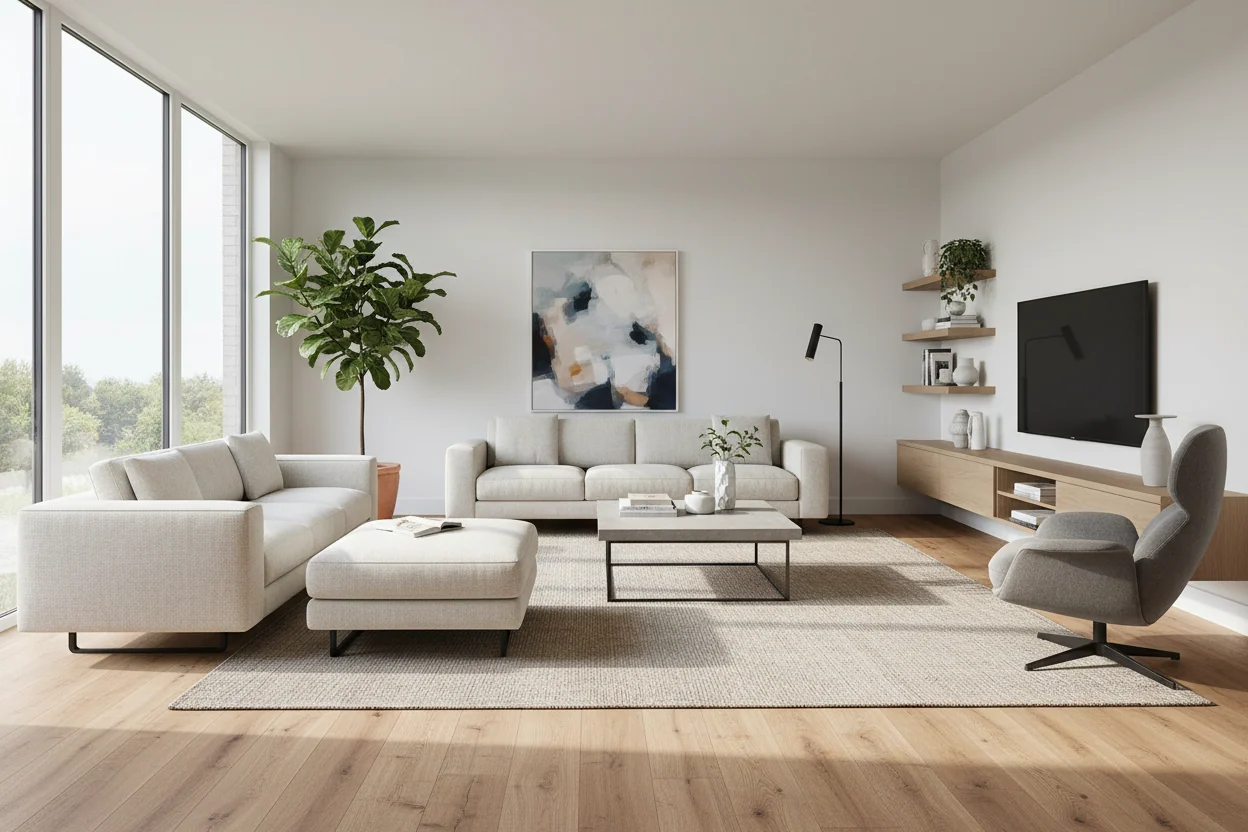
Large villas have long, open runs of flooring. A stable rigid core can suit these areas, while LVT may appeal to people who prefer a softer feel. Both work in bedrooms and living rooms.
 Offices and Retail
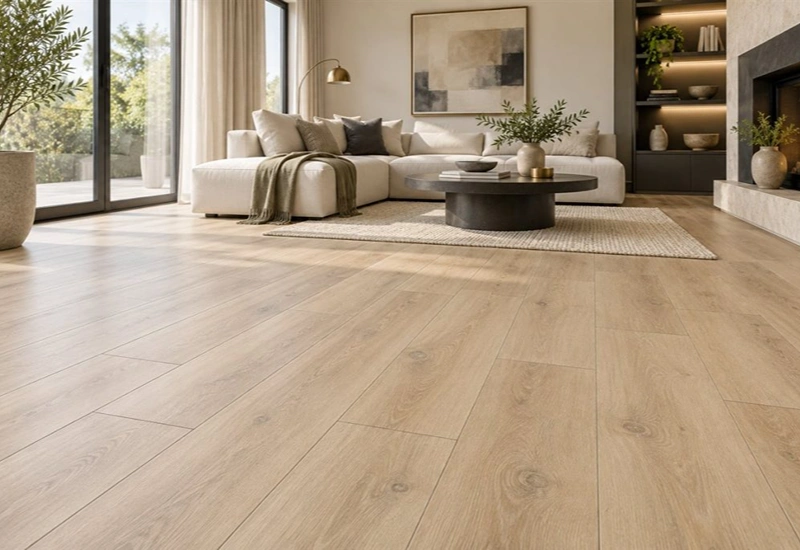
For vinyl flooring for commercial spaces, check the product’s commercial rating and expected foot traffic.
Kitchens and Wet Areas
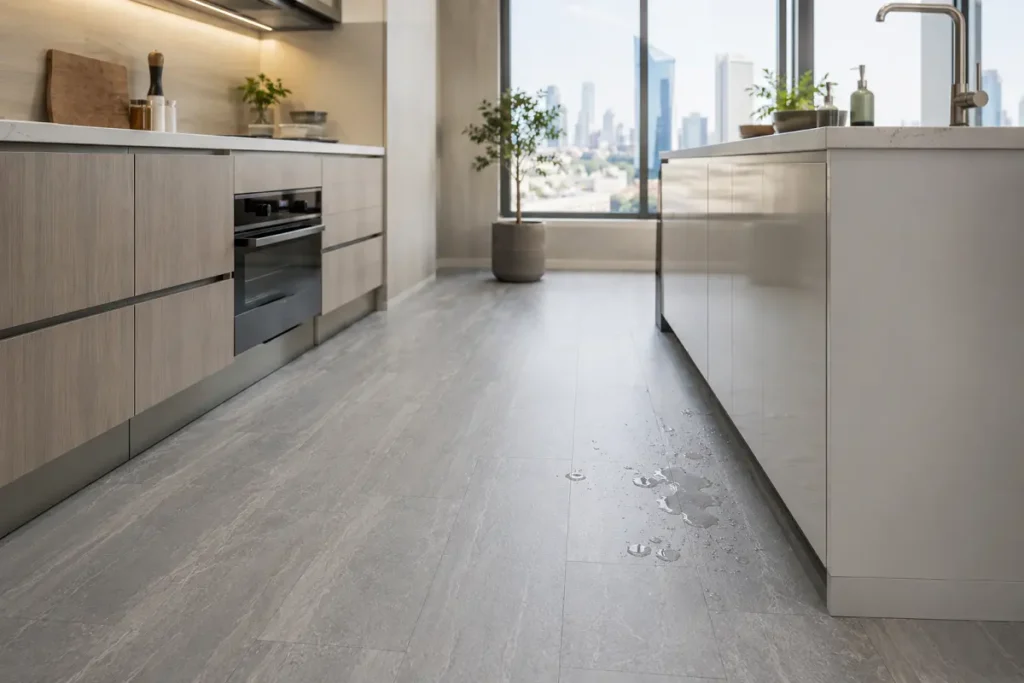
Kitchens can suit either type because of occasional spills. Bathrooms, balconies and areas with standing water need particular care, and many need a different material altogether. Always follow manufacturer guidance.
 LVT vs SPC Flooring: Installation and Maintenance
Good installation matters more than the material. The subfloor should be level, clean and dry. Cracks and damp patches must be fixed first. Where required, leave expansion gaps around the edges and cover them with skirting.
Daily care is simple. Sweep or vacuum regularly, then use a damp mop with a suitable cleaner. Avoid steam mops and harsh chemicals unless the manufacturer allows them. Wipe spills promptly. Following the cleaning instructions also helps protect the warranty.
Hire installers who have worked with the exact product type. Ask whether they will check the subfloor and moisture condition before starting.
How to Choose the Right Flooring for Your Property
Use this checklist when comparing products:
- Request samples and check them in natural and artificial light
- Compare wear-layer thickness and total thickness
- Read warranty terms for residential or commercial use
- Review technical data sheets
- Decide how firm or soft you want the floor to feel
- Ask who installs it and how they check the subfloor
- Consider long-term maintenance
There is no single winner for every property. A rental apartment, a family villa and a retail shop each need a different answer.
Final Verdict: LVT or SPC Flooring?
LVT suits people who value flexibility and a softer underfoot feel. SPC suits those who prefer a rigid core and a firmer surface. Quality, room conditions, budget and installation matter more than the label. If your subfloor is imperfect or you want a faster click-lock installation, SPC may deserve a closer look. If you prefer a softer feel or a glue-down finish, LVT may suit you better.
Before you decide, compare samples, specifications and full quotations from reputable suppliers. A little research now helps you choose flooring that serves your space for years.